Nutrition while taking weight-loss medication
This article is general education, not a personal diet plan. If you have diabetes, kidney disease, an eating disorder, swallowing problems, frailty, pregnancy, or complex medical needs, ask for individual advice.
Last reviewed: 13 July 2026
Mounjaro and similar medicines can make appetite much quieter. For some people, this is a relief. But it can also mean meals suddenly feel too big, or food feels less interesting. This is where nutrition matters.
Quick Answer
If your appetite is reduced, focus on nutritionally dense food. That means food that gives your body useful nutrition in a smaller amount: protein, fibre, vitamins, minerals, healthy fats, slow-release carbohydrate and fluid.
The goal is not to see how little you can eat. The goal is to nourish your body well while you are eating less.
Make Every Bite Count
When appetite is low, some people accidentally drift into very low intake. That can worsen tiredness, constipation, dizziness, hair shedding and muscle loss.
A helpful question is: “What does my body get from this?” Not in a judgemental way, but as a practical guide. If you can only manage a smaller meal, make that meal work harder for you.
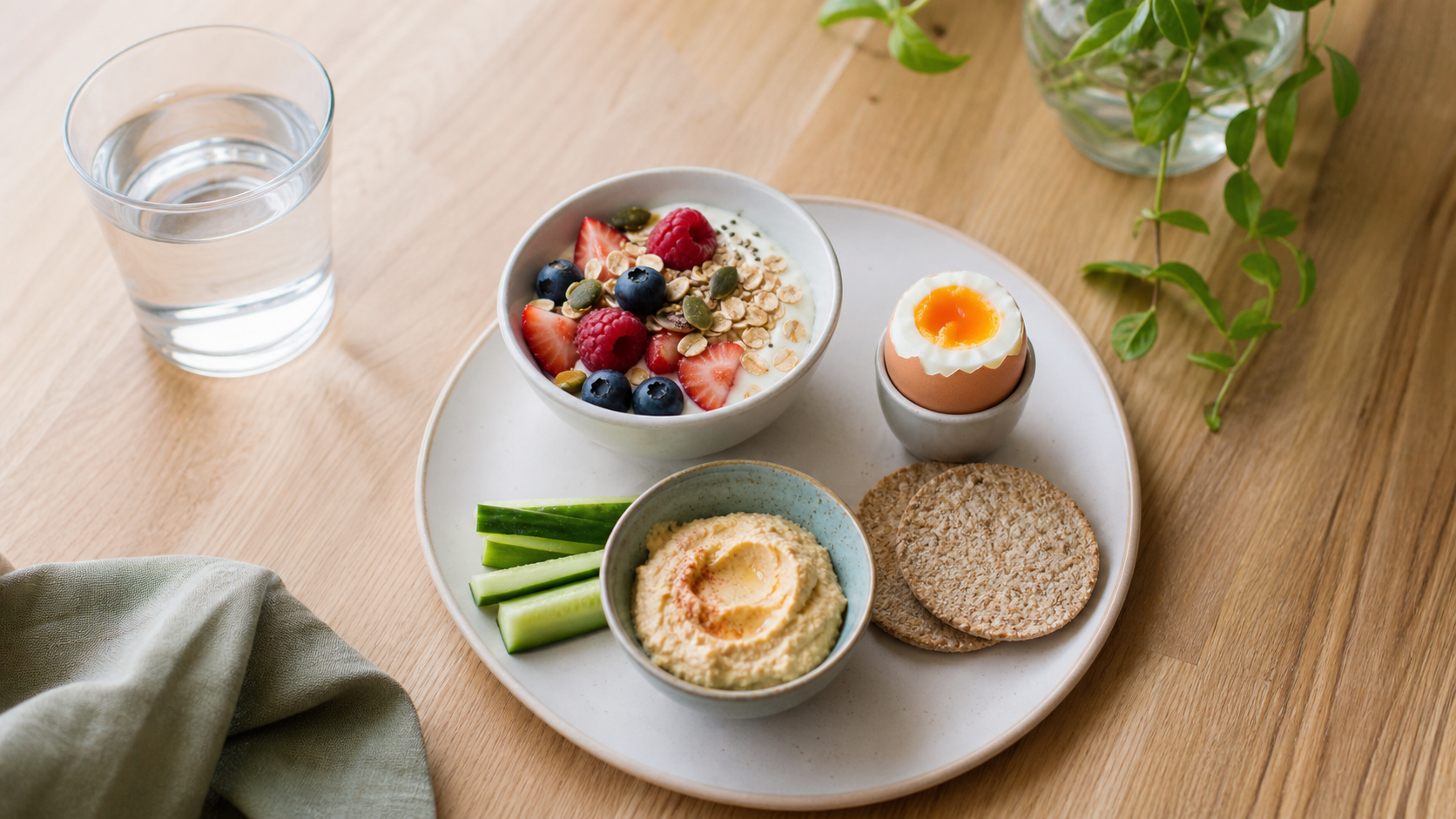
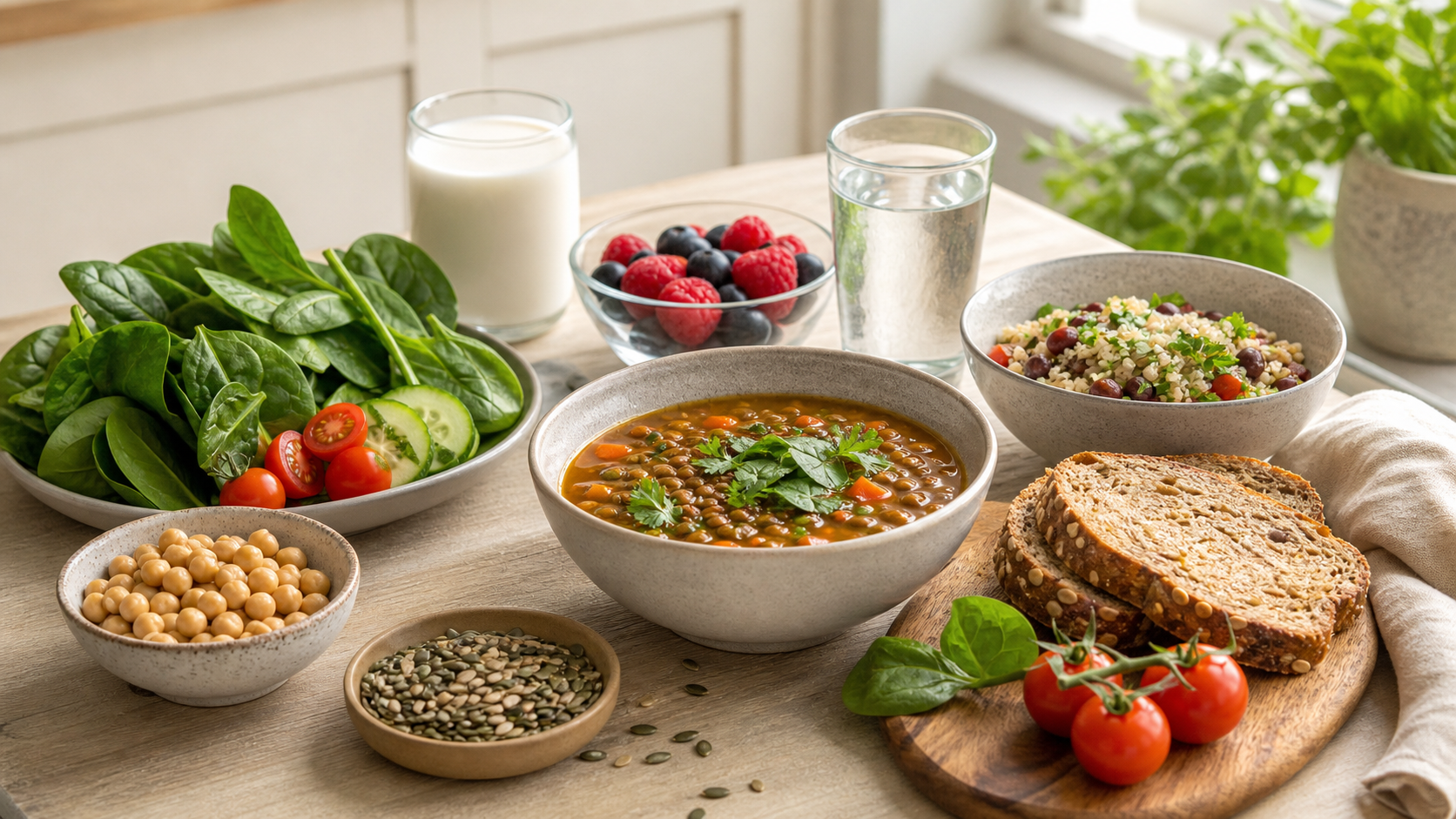
What Does That Look Like?
The Four Things To Prioritise
Helps protect muscle, supports fullness and gives your body building blocks for repair.
Supports bowel health, gut bacteria, fullness and constipation prevention.
Helps prevent dehydration, headaches, dizziness and constipation.
Fruit and vegetables provide vitamins, minerals, fibre and plant nutrients.
Be Careful With “Healthy” Packet Claims
There is a lot of ultra-processed food marketed at people who are trying to lose weight: high-protein bars, diet snacks, low-calorie puddings, shakes and “guilt-free” treats.
Some convenient foods can be useful. A protein yoghurt, soup, ready-cooked chicken, tinned beans or a balanced ready meal can absolutely help on busy days. But try not to let health claims on the front of a packet become the main basis of your diet.
A helpful rule of thumb is to build most meals around foods you recognise: eggs, yoghurt, beans, lentils, fish, chicken, tofu, vegetables, fruit, oats, potatoes, wholegrains, nuts and seeds. Then use packaged options as support, not as the foundation.
Protein First, But Not Protein Only
Protein matters during weight loss because it helps protect muscle. This is especially important if you are eating much less than usual.
Useful protein foods include eggs, Greek yoghurt, cottage cheese, fish, chicken, lean meat, tofu, tempeh, beans, lentils, chickpeas, nuts, seeds and milk or fortified soya alternatives.
You do not need a perfect protein target to start. A simple approach is to include a protein food whenever you eat.
Small Meals Can Still Be Nourishing
If three good-sized meals suddenly feel impossible, smaller meals or mini-meals can be absolutely fine. The key is not to let the day become tea, toast and very little else.
Greek yoghurt with berries, oats and seeds.
Soup with lentils or beans, plus a little cheese or yoghurt on the side.
Eggs, avocado or beans with wholegrain toast and tomatoes.
Hummus, oatcakes, cucumber, peppers and a boiled egg.
Cottage cheese or tuna with jacket potato and salad.
Ready-cooked chicken or tofu with microwave grains and veg.
Do Not Forget Fibre
Constipation is common on Mounjaro. Fibre helps, but suddenly adding lots can cause bloating, so increase gradually and drink enough fluid.
Good fibre options include oats, beans, lentils, chickpeas, fruit, vegetables, seeds, nuts, wholegrain bread, brown rice, wholewheat pasta and potatoes with skins.
If you are barely eating, fibre intake often drops without you noticing.
Fluids Matter More Than People Think
The NHS Eatwell Guide suggests 6 to 8 cups or glasses of fluid a day for most people. Needs vary, but pale urine is often a helpful sign that you are drinking enough.
If you feel sick, have diarrhoea, vomit, sweat more than usual or drink less because appetite is low, dehydration can creep up quickly. Small regular sips may be easier than large drinks.
Signs You May Not Be Eating Enough
Speak to your prescriber, pharmacist or GP practice if you are:
- regularly unable to finish small meals
- feeling faint, shaky, weak or unusually tired
- having repeated vomiting or diarrhoea
- losing weight very rapidly and feeling unwell
- getting worsening constipation despite fluids and fibre
- noticing significant hair shedding
- becoming frightened of eating or overly focused on restriction
A Simple “Make Every Bite Count” Checklist
Wondering About Calories?
Calories matter, but eating as little as possible is not the aim. Read more here: How many calories should I eat on Mounjaro?
Want More On Protein?
Protein helps protect muscle during weight loss. Read more here: Why protein matters on Mounjaro.
Want More On Fibre?
Fibre can help with constipation, gut health and fullness. Read more here: Why fibre matters on Mounjaro.
Want More On Fluids?
Hydration matters for constipation, dizziness, nausea and safety. Read more here: Why fluids matter on Mounjaro.
Prefer To Watch?
A Dr Mel video on “Make every bite count” will sit here once the YouTube channel is live.
Dr Mel’s Notebook
Did you know?
When appetite is reduced, eating too little can make side effects like tiredness, constipation and hair shedding worse.
Try this today
Choose one meal or snack and add a protein food to it: yoghurt, eggs, beans, fish, tofu, chicken, nuts or seeds. If it comes in a packet, look past the front label and check what it is actually made from.
The evidence
The NHS Eatwell Guide recommends a balance of food groups, including protein foods, fruit and vegetables, higher-fibre carbohydrates, dairy or alternatives and fluids.
Key Messages
- The aim is not to eat as little as possible.
- When appetite is reduced, make every bite count.
- Prioritise protein, fibre, fluids and colourful plant foods.
- Small meals can still be nourishing.
- Do not rely only on ultra-processed foods just because they claim to be healthy.
- If you cannot eat or drink enough, ask for advice.
Useful Sources
Last reviewed: 13 July 2026. Planned review: October 2026.